- Spread the Word
- Help Centre
- Miscellaneous
- Loans & Lending
- Will I get the money that I lend repaid to me?
- Why am I asked for a voluntary top-up donation when making a loan?
- Do loans in the West Bank come with a greater risk of default?
- What happens if a loan I've supported doesn't get fully funded?
- Why is Lendwithcare providing loans in the West Bank and not providing donations?
- Can I claim Gift Aid on Lendwithcare loans?
- Do I get paid interest on the loans?
- Does Lendwithcare charge interest on loans?
- Why has the suggested voluntary top-up donation amount increased?
- Can I contact or visit the entrepreneur I support?
- Do currency exchange rates affect loan repayments, and who bears the exchange rate risk?
- Why is the first repayment amount on the schedule different?
- Can I lend to the same entrepreneur more than once?
- Do I need to provide financial details when registering?
- Why aren't there very many progress updates?
- How is my loan passed on to the entrepreneur?
- How do you ensure that the entrepreneur gets their loan?
- Does the entrepreneur receive 100% of their loan?
- How long will it take for loans to be fully repaid?
- Climate Positive Grants Help Centre
- Climate Positive Grants
- What do the climate positive cookstoves and solar cooker look like?
- Can you provide more details on the cookstoves?
- How do the climate positive grant recipients benefit?
- How will I know how many tonnes of CO₂ I have reduced/absorbed?
- How are climate positive grants passed onto the recipients?
- Is this a carbon offsetting programme?
- Why am I not receiving cash repayments on the climate positive grants I make?
- What makes a climate positive grant different from a standard Lendwithcare loan?
- Why has Lendwithcare started funding grants as well as loans?
- Why do I receive an initial repayment when making a climate positive grant?
- Will there be other types of grant projects to support?
- Why am I asked for a voluntary top up donation when making a grant?
- Carbon Credits & Verification
- Does the grant recipient receive 100% of the climate positive grant?
- Who are the FairClimateFund?
- I have heard the term carbon credits, what are they and are you offering them under this initiative?
- When will I know how many tonnes of CO₂ have been reduced/absorbed through the grants I support?
- What is the Gold Standard?
- How are the carbon credits generated through the grants verified?
- What happens to the carbon credits that are generated through climate positive grants?
- What is the FairTrade Climate Standard?
- How do I know that the carbon grants I make have had an impact?
- Climate Change
- Climate Positive Grants
- Referrals
- Payments / Withdrawals
- Gift Vouchers
- What happens with expired gift vouchers?
- Do gift vouchers expire?
- Will the recipient of my voucher be able to choose who to lend to?
- What if the gift voucher I bought is about to expire?
- How do I print the gift vouchers I have purchased?
- Can I purchase more than one gift voucher?
- How do I know if someone has used my gift voucher?
- How do I purchase a gift voucher?
- Microfinance & Local Development Partners
- Lending Teams
- How do I invite new people to join my team?
- Can I attribute my loans to more than one team?
- How many people can join a team?
- Can I lend as an individual and as part of a team?
- How do I delete my team?
- How do I attribute my loans to a team?
- Is my team public or private? What is the difference?
- How can I promote my team?
- What is team lending?
- Can I attribute previous loans to my team?
- My Account
- How can I make my account anonymous?
- How do I delete my Lendwithcare account?
- How do I upload a new image for my profile?
- I forgot my password, how do I change it?
- How do I create a Lendwithcare account?
- Where can I view my transaction history?
- How do I unsubscribe from the newsletter?
- How do I view the entrepreneurs in my portfolio?
- What do I do if I don't have enough credit in my Lendwithcare account?
- How do I change my Lendwithcare email address?
- What happens to my credit if I don't access the website?
- About Us
- Terms of Use
- How It Works
- Local Development Partners
- Small Enterprise Development
- Cooperativa Santa Anita
- BORVOR
- BICOMS
- Umutanguha
- DEKI
- U&I Microfinance Bank
- Advans Côte d'Ivoire
- MicroLoan Foundation Zambia
- Akhuwat
- FCCT
- MicroLoan Foundation Malawi
- FINCA
- Reef Finance
- FACES
- Doselva
- Thanh Hoa Microfinance Institution
- Fundación Paraguaya
- LAMAC
- IDERCV (inactive)
- SolarAid
- Modern Farming Technologies (MFT)
- ElleSolaire
- FairClimateFund
- Cooperative Fund
- Why are referrals so important to Lendwithcare?
- Can I find out exactly who I have successfully referred to Lendwithcare?
- Is there a limit to the number of people I can refer?
- Why has someone sent me a referral link to Lendwithcare?
- How do I register if I've received a referral link?
- How do I refer someone to Lendwithcare?
- I've been referred to Lendwithcare and registered. How do I use my bonus loan of £15?
- What happens to my £15 bonus loan when I've made a loan?
- Local Development Partners
- Support Us
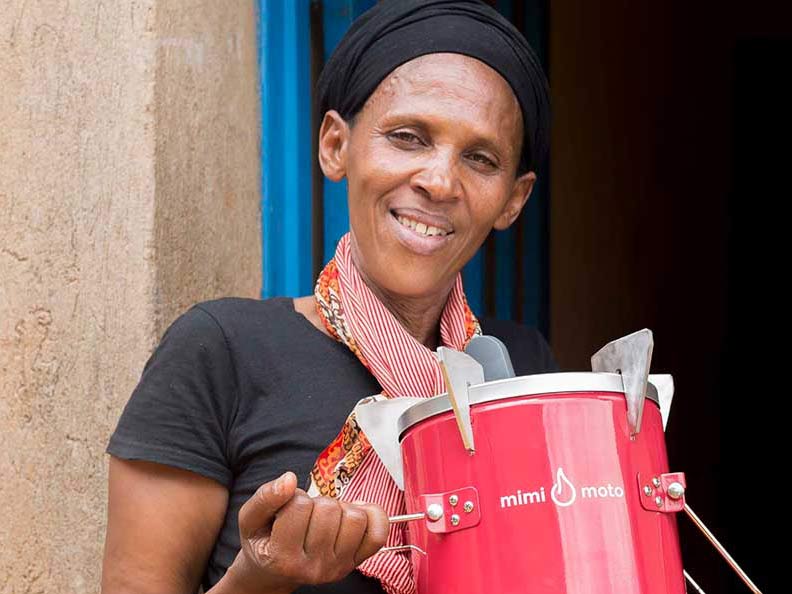
Climate Positive Grants
We're proud to introduce a new way to support low-income families most at risk of climate change through Lendwithcare. Find out more about making a grant today.